The Impact of Innovation on Performance in the Casting Foundry Industry
The Casting Foundry market has actually experienced remarkable transformations as a result of technological developments. Automation and robotics have structured operations, improving manufacturing prices while minimizing errors. Additionally, real-time surveillance and information analytics are improving decision-making processes, resulting in a lot more effective source management. As these innovations remain to evolve, they present both obstacles and chances. Recognizing the complete impact of these modifications is vital for sector stakeholders to prosper and adjust in a competitive landscape.
The Role of Automation in Modern Foundries
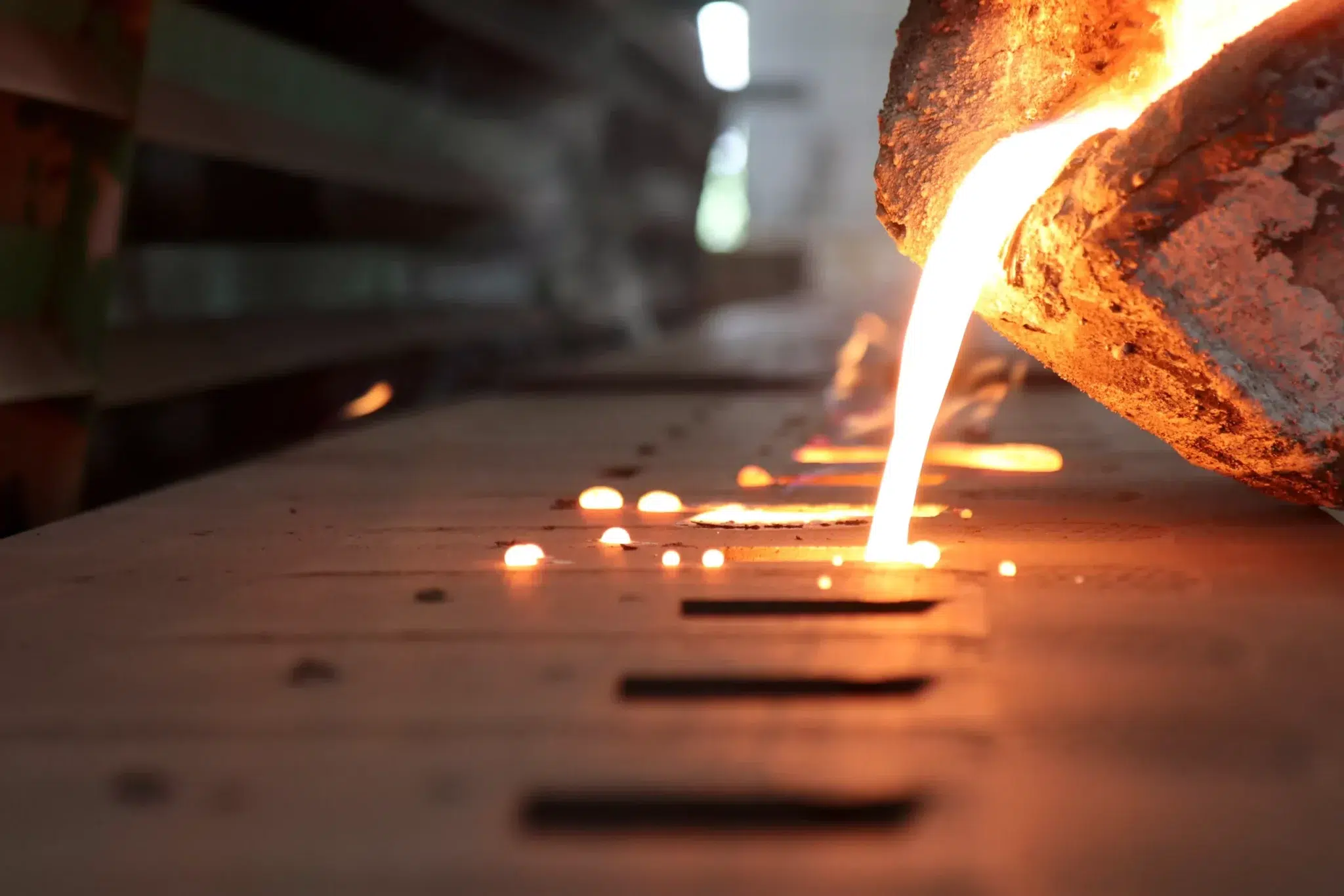
These systems facilitate jobs such as mold and mildew development, putting, and cooling, permitting real-time surveillance and modifications to maximize efficiency. In addition, automation makes it possible for shops to run continually, raising result and minimizing preparations.
The assimilation of automated remedies additionally sustains far better resource management, as makers can be configured to use products better, lessening waste. By implementing automation, modern-day shops can adjust to varying demand, making certain that they stay competitive in a swiftly advancing market. Ultimately, automation stands for a transformative pressure, redefining conventional Foundry methods and leading the means for future improvements.
Enhancing Quality Assurance Through Technology
Technology reinvents quality assurance in shops, making sure that products fulfill stringent industry criteria. Advanced evaluation systems, such as laser scanning and 3D imaging, allow precise dimension of actors elements, recognizing problems at the earliest phases. These devices facilitate real-time tracking of manufacturing processes, permitting instant changes and minimizing inconsistencies from high quality standards.
Additionally, information analytics plays a vital duty in quality assurance by examining patterns and predicting prospective failures, which boosts the dependability of the manufacturing line. Casting Foundry. Carrying out artificial intelligence formulas allows factories to continually improve their quality control processes by gaining from historic information
Additionally, the assimilation of digital twins makes it possible for digital simulations of manufacturing procedures, enabling detailed screening and recognition before physical Casting happens. Collectively, these technical improvements not only elevate the high quality of cast products but also bolster customer fulfillment and rely on the foundry's output.
Lowering Waste and Energy Usage
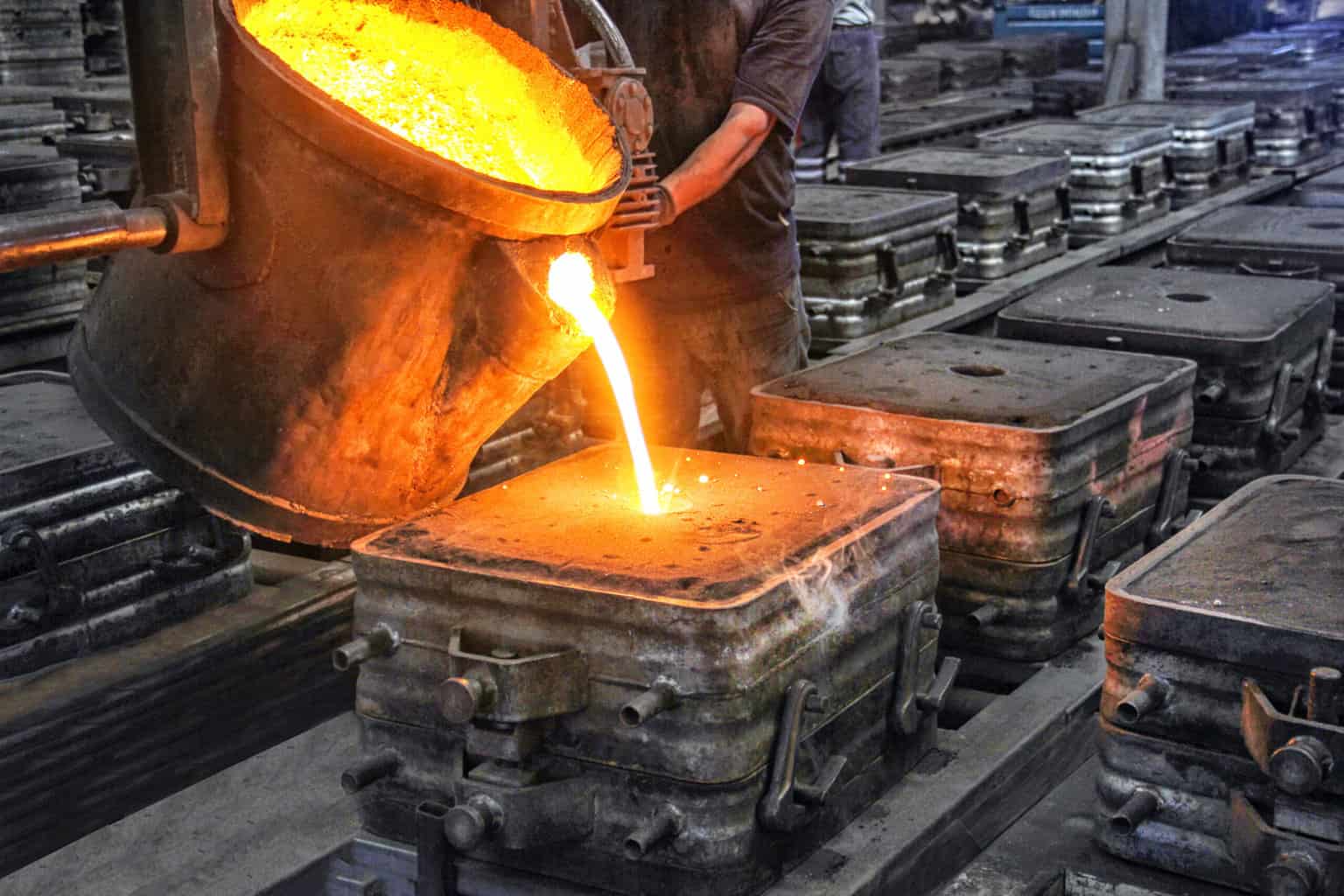
Furthermore, the introduction of 3D printing technology in mold and mildew production significantly reduces material waste by enabling for the production of complicated styles without the requirement for too much machining. Energy-efficient equipment and eco-friendly energy sources are significantly being taken on, contributing to lower functional expenses and a smaller sized carbon footprint.
These technologies not just improve functional performance yet also advertise sustainable methods within the Casting Foundry market, lining up with worldwide efforts to boost and minimize ecological influences source administration.
The Impact of Data Analytics on Choice Making
Information analytics has actually become a vital tool for boosting decision-making processes in casting shops. By leveraging data collected from numerous stages of manufacturing, foundries can recognize ineffectiveness and areas for improvement. For example, real-time tracking of equipment efficiency permits managers to make informed choices concerning upkeep timetables, decreasing downtime and optimizing outcome.
Anticipating analytics assists forecast demand fads, allowing shops to readjust manufacturing levels appropriately and minimize excess stock. This capacity not only simplifies operations yet additionally aids in resource allowance, making sure that materials are made use of effectively.
Data-driven understandings equip management to review the performance of various alloys and products, leading to boosted item quality. As foundries increasingly embrace information analytics, the integration of these insights into critical decision-making procedures leads the way for enhanced operational performance and affordable benefit in the sector.
Incorporating Robotics Into the Molding Process
The assimilation of robotics into the molding procedure offers considerable advantages for casting factories. By automating jobs, these systems can reduce human error and boost manufacturing rate, leading to more reliable procedures. As technology advancements, the capacity for robotics to change typical molding methods becomes progressively apparent.
Benefits of Robotic Automation
Robotic automation provides significant advantages in the molding procedure of casting shops, improving both efficiency and precision. By making use of robotic systems, factories can achieve greater manufacturing rates because of the constant rate and integrity of devices. These robots can execute repetitive jobs with minimal downtime, which streamlines procedures and maximizes outcome. Additionally, the combination of robotics enables better adaptability in manufacturing, allowing factories to promptly adjust to varying demands and complicated styles. Robot automation contributes to enhanced office safety and security by minimizing the requirement for human treatment in dangerous atmospheres. Ultimately, the unification of robotics in the molding process results in maximized operations, minimized click to find out more operational prices, and enhanced product quality in the site web Casting Foundry sector.
Lowering Human Mistake
Although human ability and intuition have commonly played crucial duties in the molding procedure, incorporating robotics greatly alleviates the danger of human mistake. Robotics deals accuracy and consistency, making sure that each mold and mildew is produced with precise specs, reducing variability triggered by exhaustion or diversion amongst human operators. With innovative sensing units and software, robot systems can detect abnormalities and make real-time modifications, further decreasing the chance of problems. The automation of repetitive jobs enables human workers to concentrate on even more complex duties, improving total quality assurance. In enhancement, the execution of robotics facilitates a much more organized strategy, causing standardization throughout production procedures, which is vital for preserving premium outputs in the Casting Foundry market.
Enhancing Manufacturing Speed
Integrating robotics into the molding process not only reduces human error however also significantly improves manufacturing rate within casting foundries. By automating repetitive tasks, robotics can operate continuously, allowing for higher outcome prices compared to standard techniques. Their precision warranties that molds are continually loaded, decreasing downtime created by changes or flaws. In addition, robotics allow quick adjustments in assembly line, suiting numerous styles without considerable hold-ups. Consequently, shops can respond extra swiftly to market demands, boosting their affordable side. The assimilation of advanced robotics technologies enhances the process, enhancing resource allowance and decreasing labor prices. On the whole, the adoption of robotics in molding processes considerably moves effectiveness and performance in the Casting Foundry sector.
Getting Rid Of Obstacles in Modern Technology Fostering
/zac89290_5050.jpg)
Future Patterns in Casting Foundry Modern Technology
What innovations lie in advance for the Casting Foundry market? The future of casting Foundry innovation is positioned for substantial change via improvements such as 3D printing, automation, and expert system. These technologies promise to improve precision and decrease waste in the Casting procedure. 3D printing allows the production of complex geometries that conventional techniques can not attain, while automation simplifies operations, boosting general effectiveness. Additionally, the integration of AI and equipment knowing will facilitate predictive maintenance, optimizing tools efficiency and lessening downtime.
The pattern towards lasting practices is expected to shape the industry, with a focus on environment-friendly products and processes. Digital doubles, which imitate real-world operations, can also end up being commonplace, enabling factories to check circumstances and make data-driven decisions. Collectively, these developments are readied to redefine the Casting Foundry landscape, driving efficiency and sustainability while fulfilling the advancing needs of different industries.
Regularly Asked Inquiries
How Does Technology Influence Staff Member Roles in Foundries?
Innovation significantly reshapes worker roles in factories by automating recurring jobs, boosting precision, and requiring brand-new capability. Workers increasingly concentrate on managing sophisticated machinery and information evaluation, leading to a change in work duties and needed competencies.
What Are the Expenses Related To Executing New Technologies?
The prices of applying brand-new technologies encompass first investments, training expenses, recurring upkeep, and potential interruptions during changeover. Organizations should thoroughly evaluate these economic factors to ensure effective assimilation and sustainable long-lasting advantages.
How Can Tiny Foundries Adopt Innovation Affordably?
To embrace innovation cost effectively, little shops can explore grants, collaborations, and low-priced remedies. Incremental upgrades, staff member training, and leveraging existing sources also enhance performance without substantial monetary stress, fostering gradual technical integration into procedures.
What Abilities Are Required for Employees in Tech-Driven Foundries?
Employees in tech-driven foundries call for abilities in data evaluation, maker operation, and software program proficiency. Furthermore, versatility to new devices and innovations, problem-solving capabilities, and cooperation with engineering groups are necessary for success in this developing atmosphere.
Just How Does Modern Technology Influence Security in Foundries?
Innovation significantly improves safety and security in foundries by automating unsafe tasks, using sophisticated tracking systems, and helping with real-time communication. These advancements lower work environment mishaps and improve emergency response, eventually cultivating a safer atmosphere for all workers.
Technology transforms quality control in foundries, making certain that items fulfill stringent industry standards. Advancements such as automated molding systems and innovative melting innovations enable factories to maximize product usage and lower energy needs. As the Foundry industry progressively identifies the advantages of arising innovations, overcoming difficulties in innovation adoption ends up being important for improving functional effectiveness. Technology significantly reshapes employee duties in factories by automating repetitive tasks, boosting accuracy, and demanding new skill collections. Technology considerably enhances security in factories by automating harmful tasks, using innovative surveillance systems, and promoting real-time interaction.